
Best war games realistic usually means you want believable weapons handling, sound tactical pressure, and teamwork that matters, not just flashy killstreaks or arcade recoil.
If you have ever bounced off a “mil-sim” because it felt punishing, or dropped a “tactical shooter” because it still played like a run-and-gun, you are not alone. The tricky part is that realism comes in different flavors: ballistics and damage modeling, comms and squad roles, pacing and stamina, even how maps punish bad angles.
This guide narrows that down into practical buckets, then gives you a short list of games and settings that tend to deliver a realistic tactical vibe in 2026, without pretending there is one perfect answer for everyone.
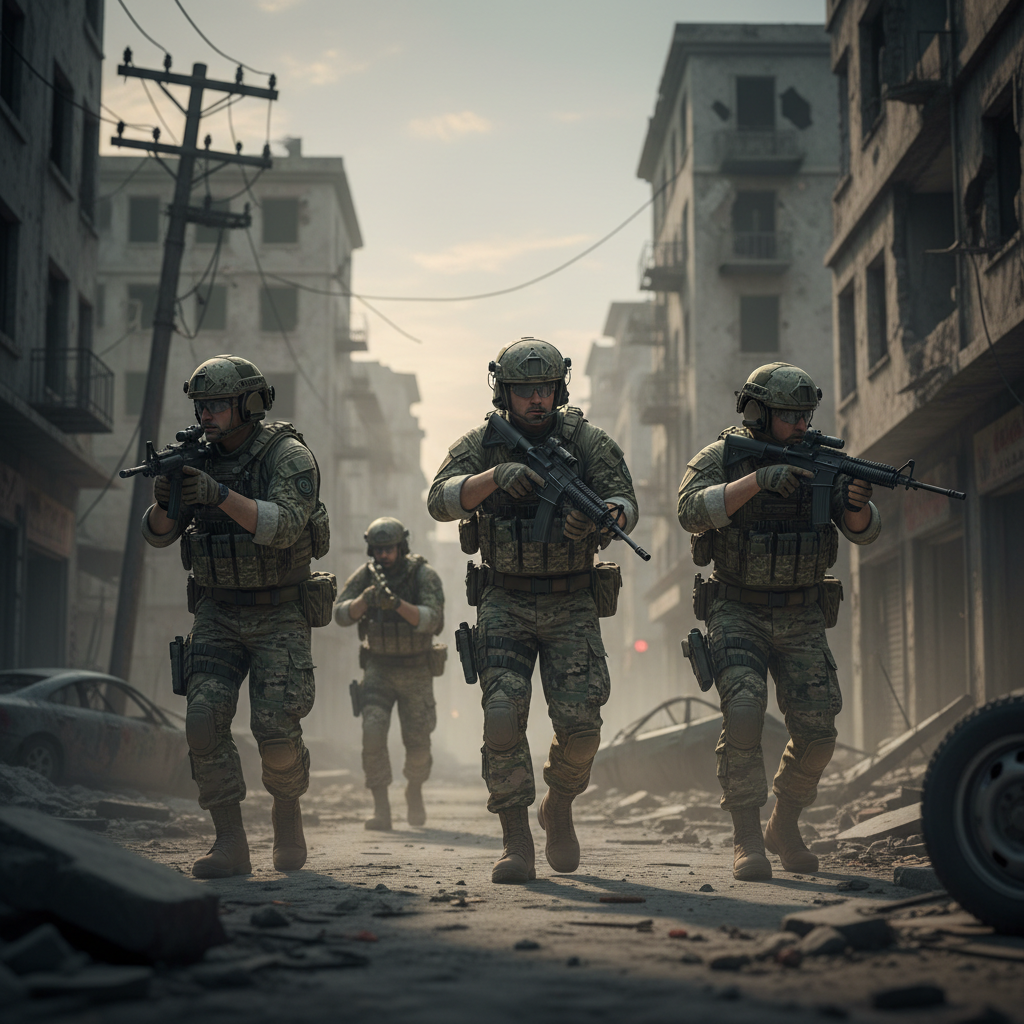
What “realistic” actually means in war games
People search best war games realistic but often argue past each other, because “realism” can describe different design goals. A game can be realistic in one dimension and still feel gamey in another.
- Gunplay realism: recoil behavior, reload logic, weapon sway, suppression effects.
- Damage + ballistics: lethality, armor interactions, penetration, bullet drop, fragmentation.
- Tactical pacing: slower movement, punishments for sprinting everywhere, meaningful positioning.
- Information scarcity: limited HUD, no constant spotting, reliance on audio and comms.
- Team roles: medics, engineers, leaders, logistics, and how much the team needs them.
One more nuance: “realistic” does not always mean “hardcore.” Some games aim for authenticity in tone and tactics while staying approachable through clear UI, shorter matches, or forgiving respawns. That middle ground is where many players end up.
A quick comparison table (2026 shortlist)
Rather than a single ranking, this table helps you match the game style to the realism you actually want. Availability, updates, and regional server quality can vary, so treat this as a starting point and check the current state before buying.
| Game | Realism Strength | Best For | Learning Curve | Notes to Watch |
|---|---|---|---|---|
| Arma Reforger | Sandbox authenticity | Large-scale combined arms | High | Mod/server quality matters a lot |
| Squad | Teamwork + comms | 50v50 objectives, coordination | Medium-High | Best with a mic and patient squadmates |
| Hell Let Loose | Frontline lethality | WWII combined arms feel | Medium | Commander/meta knowledge helps |
| Insurgency: Sandstorm | Close-quarters tension | Shorter sessions, brutal gunfights | Medium | Less “strategic,” more tactical firefights |
| Ready or Not | Room-clearing realism | Methodical CQB, rules of engagement | Medium | Best with coordinated friends |
| Six Days in Fallujah | Urban combat intensity | High-stress co-op tactics | Medium | Check current content scope and roadmap |
How to tell which “realistic tactical” game fits you (fast self-check)
If you buy based on vibes alone, you can end up with the wrong kind of realism. Run through this quick checklist, and be honest about what you will actually enjoy week to week.
- I want planning and logistics (spawn points, supply runs, vehicles) more than constant gunfights.
- I’m okay dying fast if it makes positioning and cover feel meaningful.
- I will use voice comms at least sometimes, even if it is minimal callouts.
- I don’t need constant progression to stay motivated.
- I can tolerate friction (longer matches, travel time, slower pacing) if the payoff is immersion.
Scoring yourself helps: if you checked 4–5, you will probably tolerate “harder” mil-sim choices. If you checked 2–3, you likely want tactical realism in shorter bursts. If you checked 0–1, you may still want a war theme, but you might bounce off strict realism and be happier with “semi-realistic” shooters.
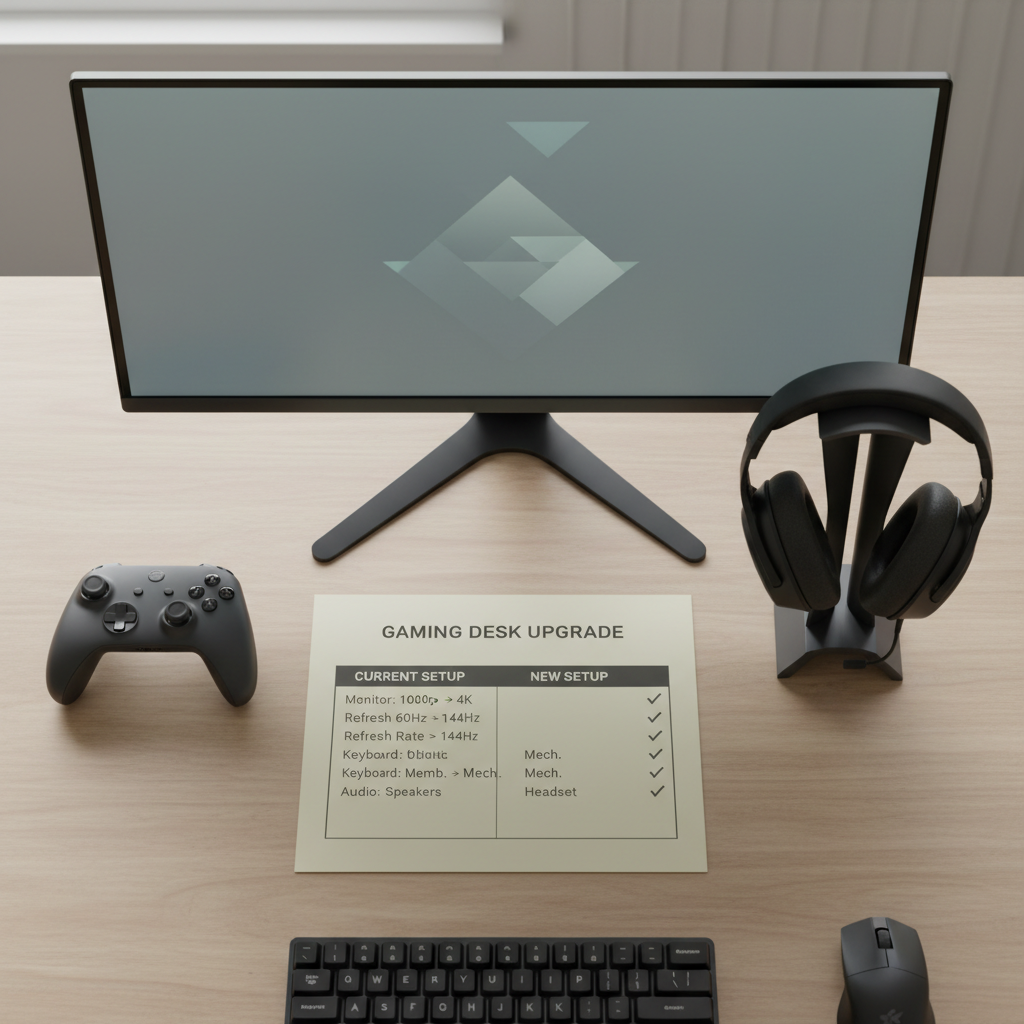
Top picks for best war games realistic (by scenario)
Below are “best fit” picks, not a single crown winner. In practice, the best war games realistic for you depends on whether you want a battlefield simulation, a coordinated objective shooter, or small-unit CQB where every doorway feels like a decision.
For large-scale, sandbox authenticity: Arma Reforger
If you want freedom to run patrols, build scenarios, and experience the “messy” side of combat simulation, Arma Reforger often lands well. The realism is less about perfect balance and more about systems interacting.
- Play it if: you enjoy servers with custom rules, organized units, and slower operations.
- Skip it if: you want consistently fair matchmaking or quick gratification.
For teamwork-forward modern warfare: Squad
Squad leans into radio discipline, squad roles, and coordinated pushes. A good squad lead can turn a chaotic match into something that feels almost scripted, in a good way.
- Play it if: you want realistic tactical decision-making, not just recoil patterns.
- Tip: join servers known for communication; the vibe changes dramatically.
For WWII frontline realism without full mil-sim friction: Hell Let Loose
Hell Let Loose delivers “you were exposed, you got punished” lethality, plus a larger strategic layer through garrisons, nodes, and commander abilities. It is a strong pick when you want realism in feel, not a simulation workbook.
For gritty, fast tactical firefights: Insurgency: Sandstorm
This is the choice when you want realistic gunfights and sound design, but you do not want to commit to an hour-long operation. The pacing stays tense, and mistakes show up immediately.
For methodical room-to-room tactics: Ready or Not
Ready or Not is less “war” in the traditional combined-arms sense, but it scratches the realistic tactical itch through procedure, team movement, and rules of engagement. If you like the idea of calling corners, stacking, and controlling lines of fire, it delivers.
For high-stress urban co-op: Six Days in Fallujah
Six Days in Fallujah tends to appeal to players who want intensity, uncertainty, and the feeling that a building is never “cleared” until you prove it. Because ongoing development and content scope can change, it is worth checking the current build state before you commit.
Practical setup tips to make games feel more realistic (without ruining fun)
In many cases, realism is not only the game choice, it is how you configure your experience. Small changes can make tactical play click.
Settings that usually help
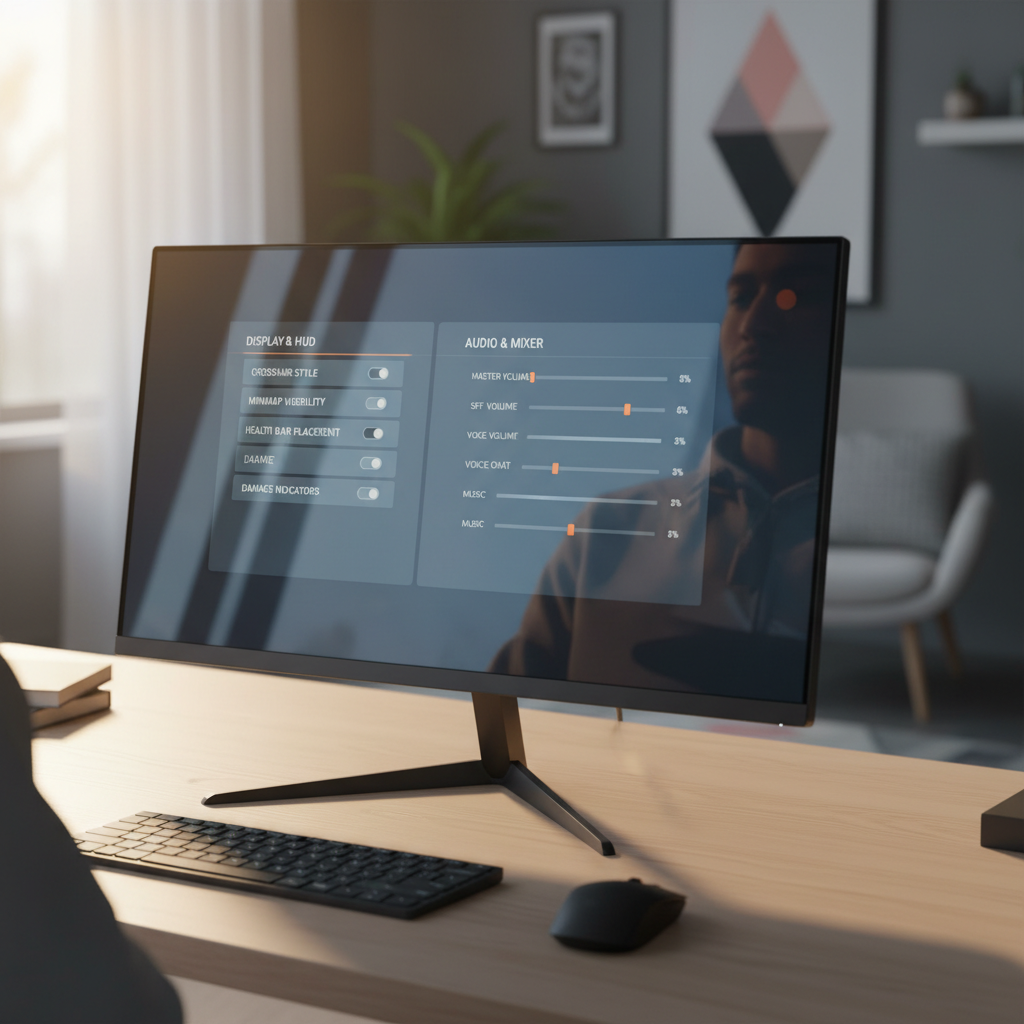
- Lower HUD clutter: reduce hit markers, minimap crutches, or enemy outlines if the game allows it.
- Audio first: set a balanced mix where footsteps, distant fire, and callouts stay readable.
- Use push-to-talk: open mic can flood comms, especially in Squad-style games.
- Stabilize input: consistent sensitivity matters more than “pro” sensitivity; test in a private range.
Team habits that increase realism fast
- Short callouts: direction + distance + landmark beats storytelling.
- Move with purpose: cross danger areas one by one, do not bunch up in doorways.
- Accept slower wins: realistic tactics often look boring until they suddenly work.
According to U.S. Army doctrine publications, clear communication and disciplined movement are central to small-unit effectiveness. Games simplify reality, but the principle still translates: teams that share information cleanly tend to outperform teams that rely on individual aim.
Common mistakes when chasing realism
Most frustration comes from picking the wrong “pain.” Realism always costs something: time, comfort, clarity, or pace. The goal is to pay the cost you actually want.
- Confusing punishment with realism: harsh recoil does not automatically create better tactics.
- Ignoring server culture: in comms-driven games, a good server feels like a different title.
- Over-optimizing settings: you can spend hours tuning and still lose because your team never talks.
- Solo queue expectations: many “realistic tactical” experiences shine most with a regular group.
- Buying for graphics alone: pretty lighting does not guarantee believable combat rhythm.
When to consider extra help (or a different path)
If you keep searching best war games realistic and nothing sticks, it may not be you, it may be the mismatch between your schedule and the game’s demands.
- If comms feel stressful: look for communities that welcome new players, or start with co-op titles where the social pressure is lower.
- If you get motion sickness: consider adjusting FOV, motion blur, head bob, and camera shake; if symptoms persist, it can help to consult a healthcare professional.
- If you want organized play: many games have Discord-based units; a short onboarding session often beats weeks of random matches.
Conclusion: a realistic pick is the one you will actually play
The “best” realistic tactical experience in 2026 usually comes from matching your preferred pacing to the right game, then leaning into the habits that make realism show up: clear comms, disciplined movement, and patience.
- Want the full sandbox sim feel? Start with Arma Reforger and choose servers carefully.
- Want modern teamwork with objectives? Squad remains a strong default.
- Want quick, tense firefights? Insurgency: Sandstorm is often the easiest win.
If you do one thing this week, pick one title from the table and commit to three sessions with the same role and the same comms style. Realism tends to “arrive” after you stop switching contexts every match.
FAQ
What are the best war games realistic for solo players?
Many realistic tactical games reward coordination, so solo can feel hit-or-miss. If you mostly play alone, look for strong matchmaking and shorter modes, or pick co-op titles where teamwork is structured and expectations are clearer.
Which game feels most realistic in gunfights without being full mil-sim?
Insurgency: Sandstorm often hits that balance for players who want lethal firefights and strong audio cues, but still want to jump in for a shorter session.
Is Squad too hard if I’m new to tactical shooters?
It can feel rough for the first few nights, mostly because of information overload and comms etiquette. If you start as a rifleman, follow your squad lead, and focus on callouts, the learning curve usually becomes manageable.
Do I need a microphone for realistic tactical games?
Not always, but it helps more than most people expect, especially in comms-driven titles. If you cannot use a mic, try to at least listen, follow markers, and type short, useful info.
How do I avoid “dead” servers or bad matches?
Check peak hours for your region, browse community servers with clear rules, and favor servers that moderate behavior. In many games, the server choice matters as much as the game choice.
Are realistic war games safe for younger players?
Content varies a lot by title, including violence intensity and themes. Use the platform’s age ratings, read content descriptors, and if you are unsure, a parent or guardian should review gameplay footage before purchase.
What settings make a game feel more realistic without making it miserable?
Reducing HUD assists, prioritizing audio clarity, and using push-to-talk usually improves immersion without adding artificial difficulty. If it stops being fun, roll settings back; realism works best when it supports good decisions.
If you’re trying to choose between two “realistic tactical” options and you want a faster, lower-risk decision, make a short list of your must-haves (match length, mic/no mic, PvP vs co-op) and compare them against the table above, it saves you from buying into a style you won’t actually stick with.