
How to beat bosses in souls games usually comes down to one thing: stop treating the fight like a DPS race, and start treating it like a short exam you can study for. If you keep dying to the “same move,” you’re not underpowered, you’re under-informed.
Bosses in Soulslikes punish panic inputs, greedy hits, and sloppy healing windows. The good news is that most fights share the same underlying rules: stamina is a budget, spacing is a language, and the boss always “tells” you what’s next if you watch long enough.
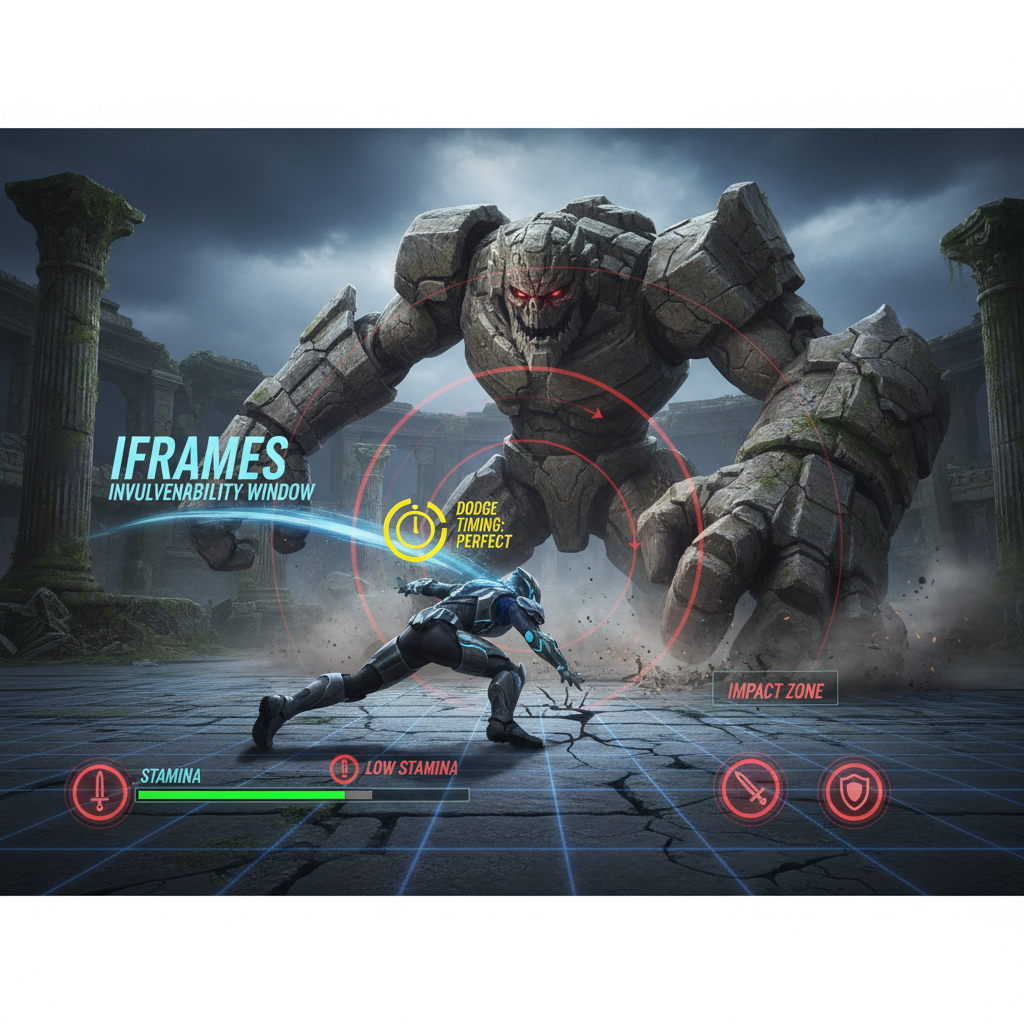
This guide focuses on repeatable habits: how to prep, how to read move sets, how to build a simple fight plan, and how to adjust when your usual style stops working. If you want a single “secret,” it’s consistency, not a magic build.
Why You Keep Losing: The Real Patterns Behind Boss Deaths
Most boss walls feel unique, but the reasons people fail look very similar across the genre. If you can name the problem, you can fix it quickly.
- Greed after a good dodge: you earn one safe hit, then take two, and get clipped by the follow-up.
- Healing at “your” timing: you chug when you feel stressed, not when the boss actually allows it.
- Stamina zeroing out: you roll three times, swing twice, then can’t roll the punish.
- Wrong distance: too far triggers gap-closers, too close triggers fast swipes, mid-range often baits the worst strings.
- Build mismatch: not “bad build,” just one that makes this particular boss harder (slow weapon into fast boss, low poise into multi-hits, no ranged option into flying phases).
According to FromSoftware’s own in-game tutorials across multiple titles, stamina and timing sit at the center of survival: if your bar is empty, your options vanish. A lot of “I need more damage” is really “I need one extra roll and one calmer heal.”
A Fast Self-Check: What Type of Boss Wall Is This?
Before you respec or grind, classify the fight. Different walls call for different fixes.
Quick diagnostic checklist
- You die early (first 20 seconds) → opening pattern issue, impatience, or camera/lock-on problems.
- You die at 50–70% HP repeatedly → you learned phase 1, but your heal windows and stamina budget still unstable.
- You die only in phase 2 → new moveset: stop “continuing,” start “relearning.”
- You run out of healing → you’re trading too often, or you’re not using safe punish moments.
- You can’t punish at all → your weapon speed/range, positioning, or target lock choice is off.
Write one sentence: “I usually die to ______.” Keep it that specific. “I get one-shotted” is vague; “I roll left on the delayed slam and eat the shockwave” is actionable.
Prep Like a Veteran: Gear, Stats, and Consumables That Actually Matter
How to beat bosses in souls games gets easier when your setup matches the fight, but prep doesn’t mean mindless grinding. It means removing self-inflicted difficulty.
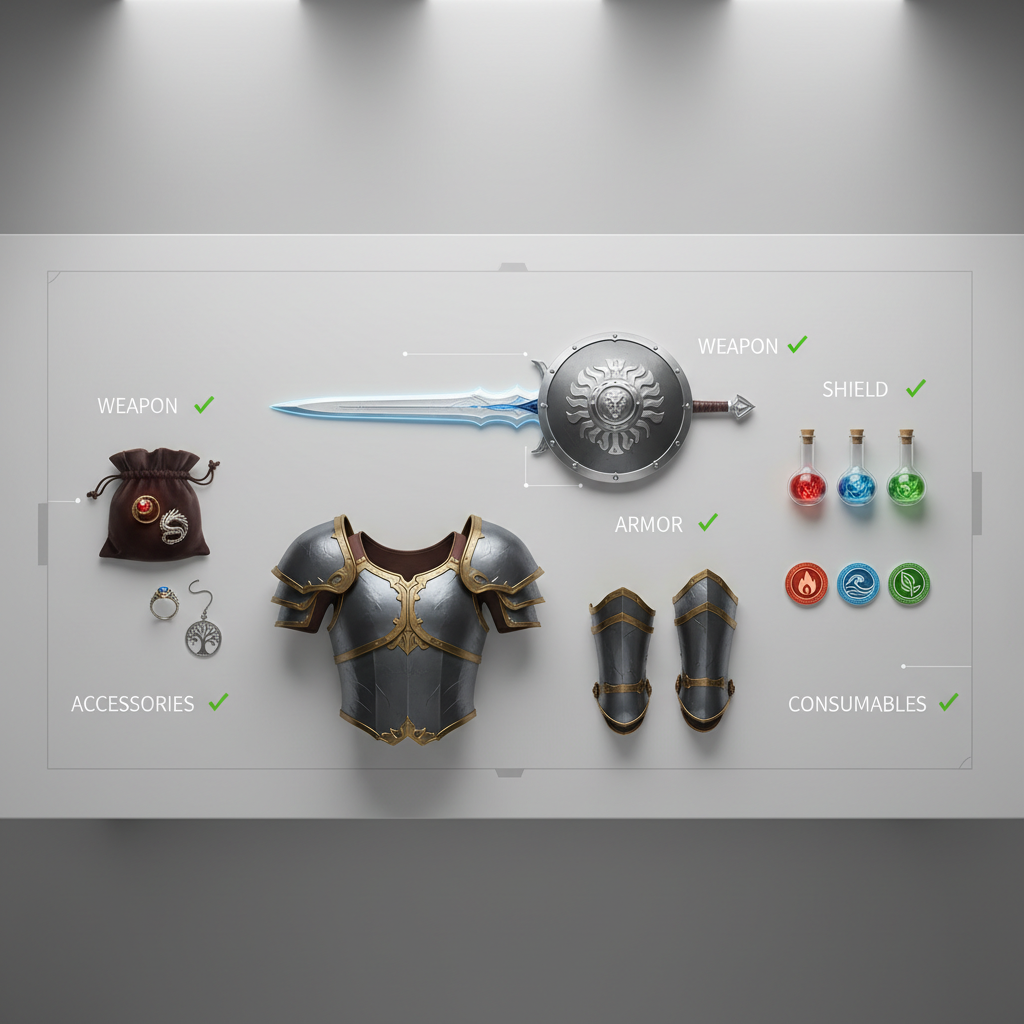
Three prep moves that pay off
- Upgrade your weapon before you grind levels. In many Soulslikes, weapon scaling and upgrade tiers deliver more consistent gains than a few stat points.
- Match damage type and resistance. If the boss screams “fire,” stack fire resistance; if it’s armored, try strike damage; if it bleeds, fast multi-hits might outperform slow heavies.
- Normalize your equip load. A “heavier is safer” mindset can backfire if it pushes you into slower dodges. Many players win immediately after returning to a comfortable roll and stamina feel.
Small quality-of-life tweaks
- Put your primary heal on the easiest input, and consider moving situational items off the main cycle.
- Adjust camera settings if the game allows it, especially lock-on switching speed and sensitivity.
- Consider a backup option: a simple ranged tool, a buff, or an ash/skill that lets you tag during disengage.
Learn the Boss Faster: A Simple “Two Attempts” Study Method
People say “learn patterns,” but they don’t say how. Here’s the repeatable method that cuts the learning curve.
Attempt A: No heals, no greed
Go in with the goal of survival, not winning. Don’t heal unless it’s part of the lesson. You’re collecting information: which attacks are delayed, which combos extend, which moves punish backsteps.
- Stand at two distances on purpose: close and mid-range, and note what the boss chooses.
- Count your safe hits after a punish: is it one light, two lights, or one heavy?
- Identify one “free heal” moment, even if it’s rare.
Attempt B: Only punish one thing
Pick a single attack you recognize and punish only that. This sounds slow, but it builds a stable loop. Once you can win the loop, you add a second punish window.
Key point: you’re building a script you can execute under stress. Souls bosses thrive on your improvisation.
Execution in the Arena: Spacing, Stamina, and Healing Windows
This is where most “I know the moves but still lose” fights get solved. Your mechanics aren’t bad, your decisions are noisy.
Spacing rules that work in many fights
- Stay just outside the boss’s fastest poke to bait a committal approach you can punish.
- Avoid long backpedals. Many bosses have tracking gap-closers that punish retreat more than lateral movement.
- Use the boss’s hip/shoulder line as a reference: circling often breaks tracking on big wind-ups.
Stamina budgeting (the “one roll in the bank” rule)
- Try to end every exchange with enough stamina for one emergency dodge.
- If you block, remember blocking also consumes stamina; guard breaks often come from “block + swing” habits.
- When you feel the urge to roll twice, pause and see if one roll plus a step would do.
Healing windows you can trust
- After a big whiff: slam, leap, charge, breath attack, or long recovery animation.
- After you force distance: a knockdown, a stagger, or a pillar/terrain break in line-of-sight.
- During boss reposition: many bosses reset after certain strings, that reset is your sip.
If healing keeps getting punished, treat it like an attack: you need to earn it with spacing first.
Practical Fight Plans (With a Table You Can Copy)
How to beat bosses in souls games becomes much simpler when you walk in with a plan that fits the boss archetype. Use this as a starting point, then adjust per game.
| Boss archetype | What usually kills you | Plan that often works |
|---|---|---|
| Fast humanoid duelist | Roll spam, panic heals, delayed follow-ups | Stay mid-range, punish end of 2–3 hit strings, heal only after long whiffs |
| Huge beast with wide swings | Camera chaos, getting pinned near walls | Fight near center, unlock camera when needed, hit legs/weak points, don’t over-circle into corners |
| Magic/ranged caster boss | Chip damage while closing distance | Use sprint lanes, time dodges for projectile release, punish after big spell, bring resistance/dispels if available |
| AoE / shockwave heavy boss | Rolling “through” blasts, healing inside AoE | Learn safe radius, jump/step options if game supports it, punish after AoE ends not during startup |
| Multi-phase spectacle boss | Phase transition surprise, new tempo | Spend a run scouting phase 2 only, save buffs for phase 2, treat it as a separate fight |
Pick one line from the table and commit to it for five attempts. Switching strategies every death feels productive, but it usually resets your learning.
Mistakes That Look Smart but Usually Waste Attempts
Some habits feel “optimal” and still slow you down. If you’re stuck, check these before you blame your reflexes.
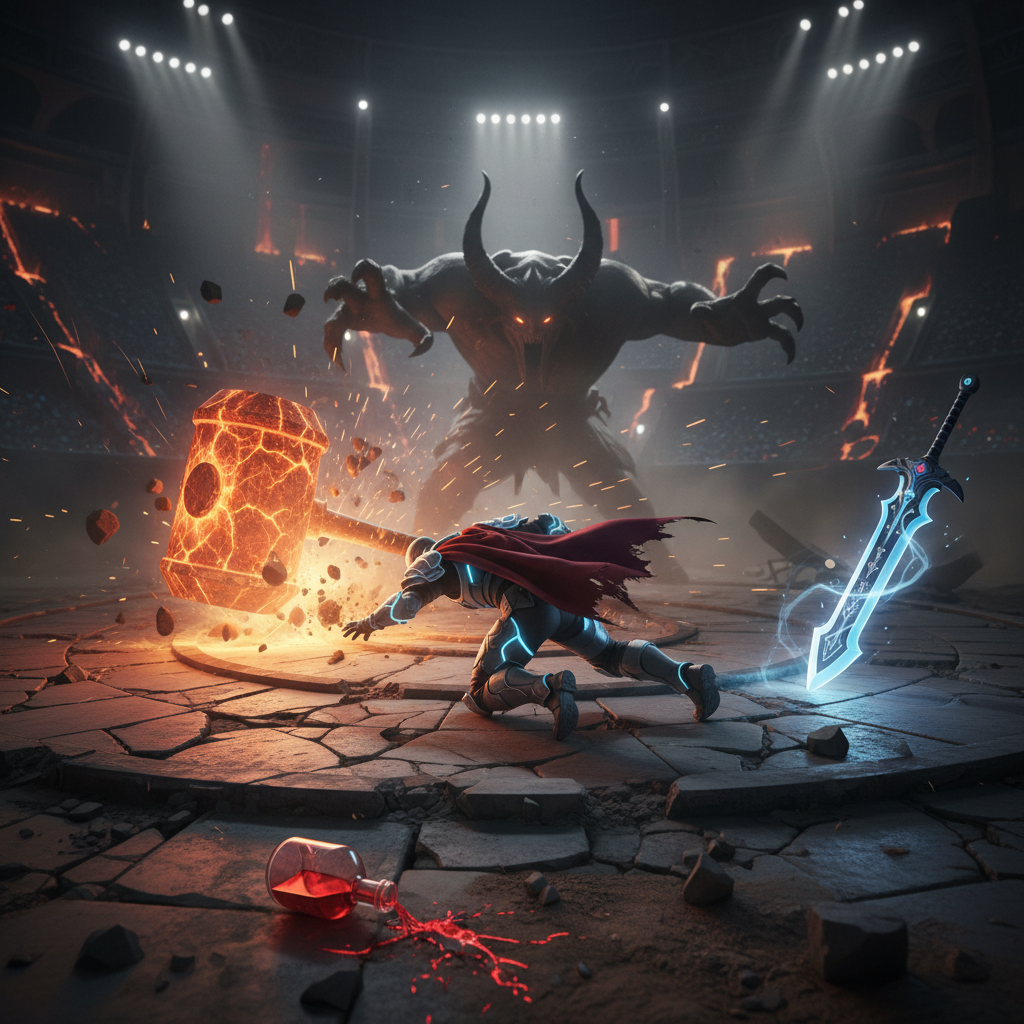
- Dodging on animation start instead of dodging on the hit. Delayed attacks exist to punish your early roll.
- Lock-on forever. Some large bosses become easier if you unlock for certain moves, especially when the camera fights you.
- Chasing damage buffs mid-fight when you haven’t earned the time. Buffing is great, buffing at the wrong moment is a free death.
- Ignoring sound cues. Many games telegraph grabs, charges, or phase changes with audio, and it’s often clearer than visuals.
- Overfarming levels to avoid learning. Extra stats help, but they rarely fix bad heal timing or stamina habits.
Key takeaway: aim for fewer, cleaner decisions. Winning attempts often feel almost boring, and that’s a compliment.
When to Get Extra Help (and What “Help” Should Look Like)
Sometimes you do everything right and still bounce off a boss because your kit hard-counters you, or because the game expects a tool you skipped. Getting help is not a moral failure, it’s a pacing choice.
- Summons/co-op: Great for learning phase transitions with less pressure. Just know boss behavior can change with multiple targets.
- Build adjustments: Consider light respecs like more vigor/health, a faster weapon option, or a shield for one specific move.
- Accessibility options: If the game offers them, use them. According to Xbox Accessibility Guidelines (XAG), accessibility features exist to reduce unnecessary barriers, not to “invalidate” play.
- Community resources: If you watch a guide, look for one that explains why a punish is safe, not just a clip of a perfect run.
If frustration turns into real stress or affects sleep, taking a break is reasonable. Games are supposed to be challenging, not harmful; if you’re unsure how it impacts you, consider talking with a qualified professional.
Conclusion: A Repeatable Way to Win Your Next Boss
How to beat bosses in souls games isn’t about finding one overpowered trick, it’s about building a small, reliable loop: identify the move that kills you, learn one safe punish, protect stamina, then heal only when the boss “pays” you time.
Two actions that usually move the needle fast: (1) do two scouting attempts where winning is not the goal, (2) commit to one fight plan for five tries before changing gear. You’ll still die, but the deaths start teaching instead of tilting.
FAQ
How do I beat bosses in Soulslikes if I’m underleveled?
Being a bit underleveled is survivable if your weapon is upgraded and you play for safe punishes. If you die in one or two hits no matter what, adding health/vigor and resistance often helps more than raw damage.
Is blocking or dodging better for boss fights?
It depends on the game and boss. Dodging avoids chip damage and status buildup, but blocking can simplify fast strings if your stamina management stays disciplined. Many players mix both: block the fast opener, dodge the heavy finisher.
What’s the most common reason my heals get punished?
Usually you heal without first creating distance or forcing a long recovery. Try earning heals after big whiffs, knockdowns, or during boss reposition moments instead of right after you take damage.
How many hits should I take after a dodge?
In many fights, one guaranteed hit beats two risky hits. Start with one light attack per opening, then test whether a second hit stays safe. If the boss consistently trades with your second swing, keep it to one.
Should I change my build to beat a hard boss?
A full rebuild is rarely necessary, but small changes can be huge: swapping to a faster weapon, adding a ranged option, or stacking the right resistance. If you change everything at once, you may slow learning because you can’t tell what helped.
How do I handle delayed attacks that keep catching my roll?
Stop reacting to the wind-up and start reacting to the strike. In practice, that means waiting an extra beat, then rolling on the moment the weapon or limb commits forward.
Do summons make bosses harder or easier?
Often easier for survival and learning, but bosses can gain more health or behave differently depending on the game. If you use summons, focus on staying alive and learning safe punishes rather than racing damage.
If you’re still stuck and want a more “set it and run it” approach, share the boss type, your weapon speed, and what move kills you most often, then you can map a tighter plan without guessing or rebuilding your whole character.