
best among us vr tips 2026 comes down to three things most players underestimate: comfort settings, clean communication, and “VR-first” reads that don’t work the same on flatscreen.
If you feel like you know the game but still lose people in meetings, miss easy tasks, or get motion-sick right when the lobby gets spicy, you’re not alone. VR adds body language, spatial audio, and physical movement, which changes both how you play and how you get caught.
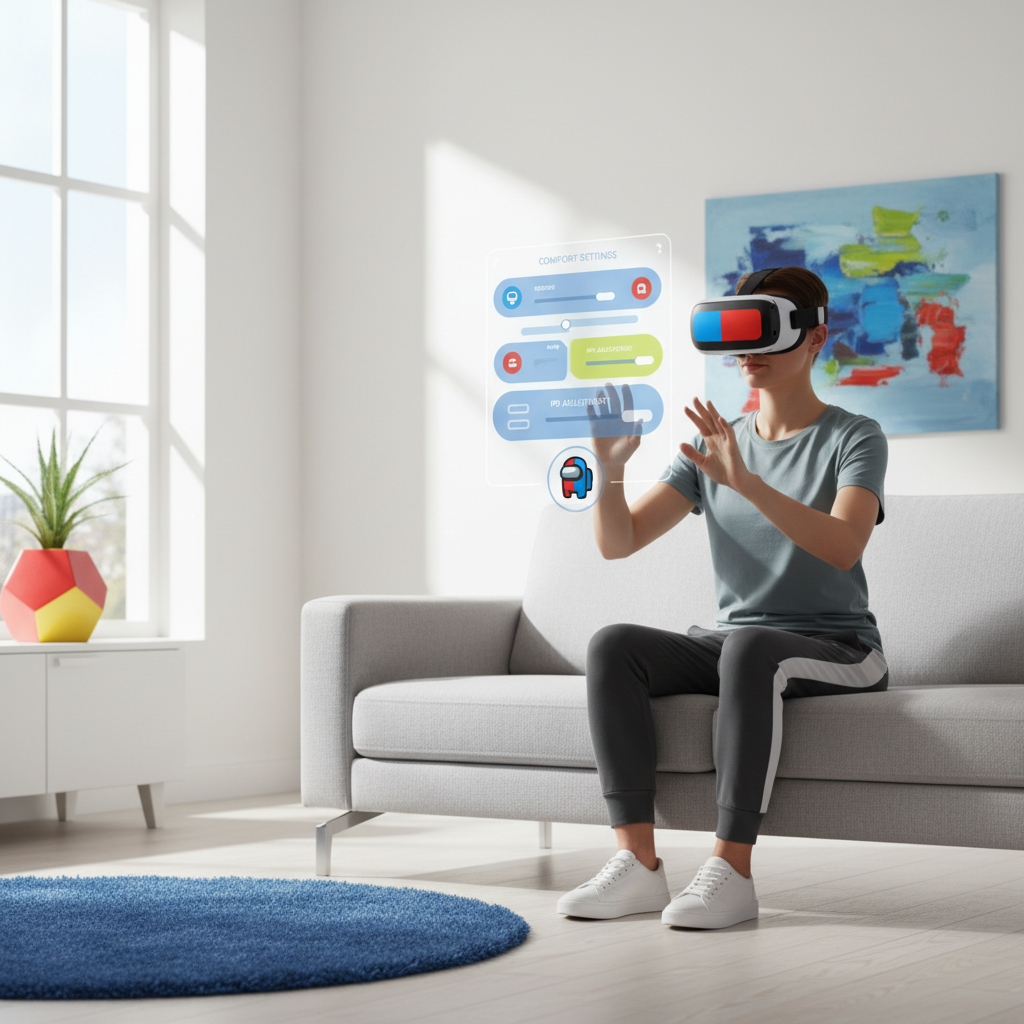
This guide keeps it practical: a quick setup checklist, role-based tactics, and the small habits that stop you from looking suspicious for no reason. I’ll also flag the common “good tips” that backfire in VR.
Dial in VR comfort and controls before you chase wins
The fastest way to play worse is to treat comfort options like cosmetic choices. In VR, your brain cares about mismatch between what you see and what your body feels, and that affects performance, not just comfort.
Comfort settings that usually matter most
- Turning style: snap turn often feels steadier than smooth turn for many players, especially in longer sessions.
- Vignetting/tunneling: if available, raising it slightly can reduce discomfort without ruining awareness.
- Locomotion vs teleport: pick what keeps you consistent; switching mid-session can make you sloppy.
- Height/calibration: incorrect floor height can make interactions feel “off,” which leads to task fumbles that look suspicious.
According to the U.S. Food and Drug Administration (FDA), some users may experience VR-related discomfort such as nausea, dizziness, or eye strain. If you get symptoms that persist, take a break and consider asking a healthcare professional.
Know what “looks sus” in VR (it’s not always what you think)
In flatscreen, movement is mostly pathing. In VR, people watch your head, hands, and how you hesitate. A lot of players get voted out because their body language reads weird, not because their logic fails.
Here are a few VR-specific behaviors that often trigger suspicion even when you’re innocent:
- Task stutter: starting, stopping, re-aiming, then restarting a task can look like fake-tasking.
- Doorway hesitation: peeking, backing up, then entering feels like “checking for witnesses.”
- Head-whip scanning: fast head turns to locate audio cues can look like you’re tracking targets.
- Hands in your face: fumbling menus or mic settings mid-hallway reads like stalling.
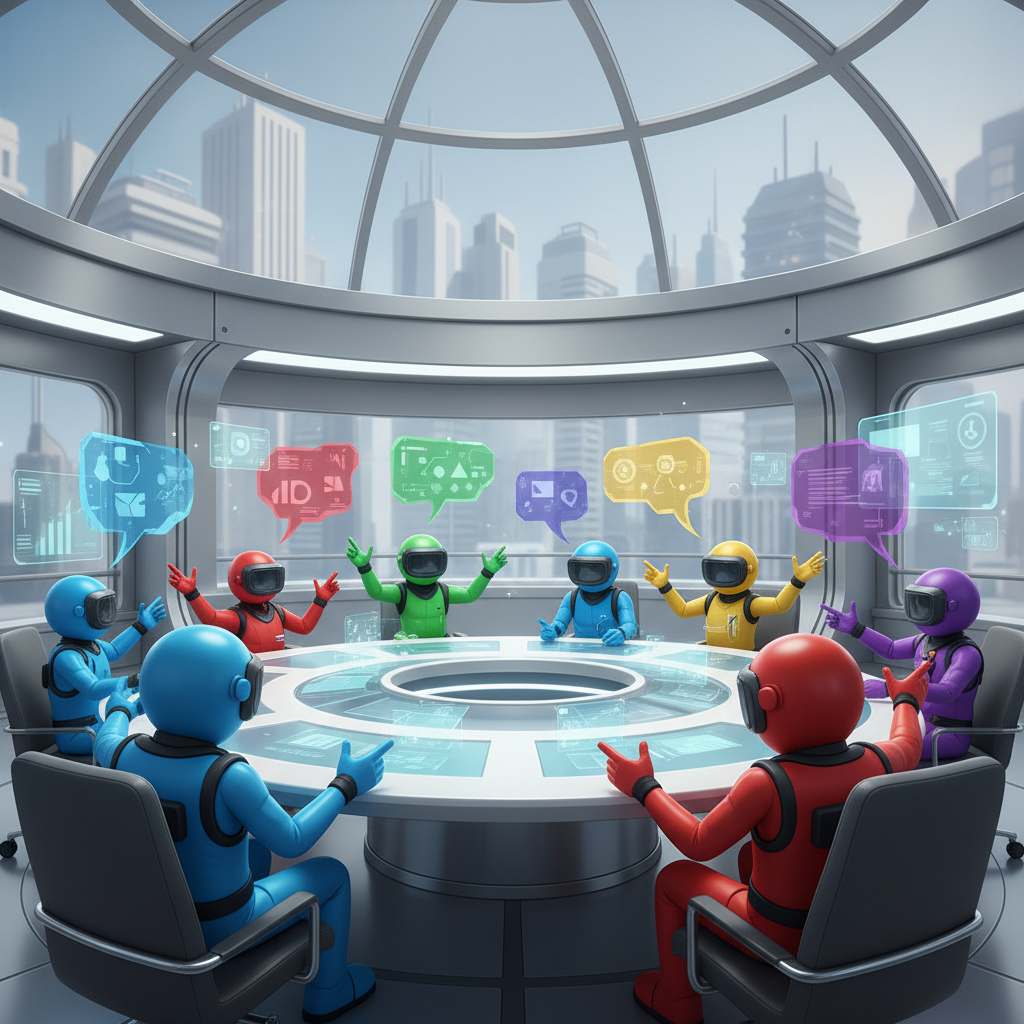
So when people ask for best among us vr tips 2026, I usually tell them to “move with intent.” Even if you’re figuring out where you are, try to make your movement look decisive, because indecision is a visual tell.
Quick self-check: what’s actually causing your losses?
Before you change strategy, figure out your failure mode. Most players have one dominant leak, and fixing that beats learning ten new tricks.
- You die early a lot: you path alone, you do long tasks first, or you ignore audio tells.
- You get ejected while innocent: your task behavior looks fake, you over-talk, or your story changes slightly.
- You can’t close as impostor: you hesitate near kills, you forget cooldown timing, or you can’t sell meetings.
- You feel overwhelmed in meetings: you don’t anchor on timestamps, locations, and “who saw who.”
- You feel sick/tired fast: comfort settings, session length, or headset fit is limiting you.
Pick one category, then use the role sections below. That’s the “editorial” version of improvement: fewer changes, better signal.
Crewmate play: survive, clear yourself, and make your info usable
As crewmate, VR gives you one big advantage: you can be visibly consistent. People remember the player who walks clean lines, finishes tasks smoothly, and reports with calm detail.
Practical crewmate habits
- Do short, public tasks early: build trust before you disappear into low-traffic areas.
- Talk in “three points”: where you were, who you saw, what changed. Then stop.
- Use audio like radar: footsteps and nearby motion cues can warn you before line-of-sight.
- Pair with a “soft buddy,” not a hard duo: being glued to one person can backfire if they get framed.
One more thing: if you’re doing tasks and someone watches, finish cleanly. In VR, a confident task completion is almost a social proof mechanic.
Impostor play: win with pace, not chaos
VR tempts impostors to “act” too much. Big gestures, over-explaining, and hyperactive scanning often reads as performance. Calm is scarier, and usually safer.
Impostor steps that hold up in real lobbies
- Pick a believable route first: decide your cover loop before the round starts, then stick to it unless a door or report forces change.
- Fake fewer tasks, do them better: one or two convincing stops beats five sloppy ones.
- Use meetings to shrink the suspect list: ask short questions that make others contradict each other.
- Kill where movement explains your exit: choose spots with natural branching paths so you don’t need to “invent” an alibi.
If you want best among us vr tips 2026 specifically for impostor, focus on “pace control.” Don’t rush kills early unless you’re sure meetings will scatter the crew, because VR players remember who was physically near them.
Meetings: a simple structure that wins arguments without sounding try-hard
Meetings in VR can get loud, fast. The trick is to bring structure without sounding like you’re reading a script. Your goal is not to say more, it’s to make your info easier to vote with.
A meeting template that stays natural
- Start with the one-liner: “I found body in X.” or “I saw Y with Z near X.”
- Then add one anchor: time since last meeting, a door closing, a task you finished, anything stable.
- Ask one targeted question: “Who was last in Electrical?” beats “Where was everyone?”
- Stop talking: silence pressures liars to fill gaps and contradict themselves.
Also, don’t ignore nonverbal tells, just don’t overrate them. In VR, nervous movement might be motion settings or a controller glitch, so treat body language as a clue, not a conviction.
Best settings, habits, and shortcuts (2026-friendly cheat sheet)
This table isn’t “the” correct setup for everyone, but it’s a solid baseline for most U.S. players who want fewer misplays and less fatigue.
| Area | What to try | Why it helps |
|---|---|---|
| Comfort | Snap turn, mild vignetting | Often reduces nausea and keeps aim steady |
| Audio | Headphones, balanced volume | Footsteps and proximity cues become usable info |
| Comms | Push-to-talk (if available) or disciplined open mic | Less accidental noise, fewer “sus” hot-mic moments |
| Gameplay | Short tasks first, avoid isolated routes early | Builds trust and lowers early-death rate |
| Meetings | One claim + one anchor + one question | Makes your info easy to follow and vote on |
Key takeaways to remember mid-round
- Clarity beats cleverness in VR lobbies, especially with strangers.
- Decisive movement keeps you from looking like you’re fake-tasking.
- Less talking, better timing wins more meetings than dramatic accusations.
Common mistakes that waste your time (and get you voted out)
Some advice sounds smart but collapses in real VR matches. These are the repeat offenders:
- “Always stick together” taken literally: hard pairs become easy frame targets, and you lose map coverage.
- Overusing VR body-language reads: players fidget for comfort reasons, controller tracking, or mic issues.
- Stacking long tasks early: it makes you isolated, slow, and easy to pick off.
- Arguing to ‘win the debate’: you might win the moment and still lose trust next round.
- Changing your story to sound cleaner: small edits often look like lies, even when you’re just remembering.
If you’re trying to apply best among us vr tips 2026, prioritize consistency over tricks, most lobbies reward the player who feels predictable in a good way.
Practical practice plan: improve in 30 minutes without grinding
You don’t need a thousand games to get better, but you do need focused reps. Here’s a simple routine that fits one session.
- 5 minutes: adjust comfort and mic, then do one round playing extra slow and clean.
- 10 minutes: crewmate goal is “two confirmed tasks + one useful meeting call,” nothing else.
- 10 minutes: impostor goal is “one believable route + one meeting question,” even if you lose.
- 5 minutes: review one moment where you looked suspicious and name the exact behavior, not the outcome.
This is boring in a good way. Skill shows up when you stop giving other people easy reasons to vote you out.
Conclusion: The best among us vr tips 2026 aren’t secret tech, they’re habits that make you readable when you’re innocent and boring when you’re guilty. Start by locking comfort settings, then tighten how you move, task, and speak in meetings. Next session, pick one leak from the self-check and fix only that.
If you want a quick action step, do this: set your comfort options so you can play 30 minutes without fatigue, then use the “one claim, one anchor, one question” meeting structure for a full night and see how your vote outcomes change.