
Top games with forest exploration and wildlife are easiest to enjoy when you know what you want from “the woods” in the first place: quiet hiking vibes, survival pressure, photography, or a living ecosystem that reacts to you.
A lot of lists lump everything together, then you buy something that technically has trees and animals, but the “wildlife” is just set dressing, or the forest is a hallway with leaves. If you’re playing to decompress, or you care about animal behavior and ambience, that mismatch gets old fast.
This guide narrows the field by focusing on how these games feel moment to moment, what kind of wildlife you’ll actually engage with, and who each pick tends to fit. You’ll also get a quick comparison table and a short checklist to avoid the common purchase regrets.
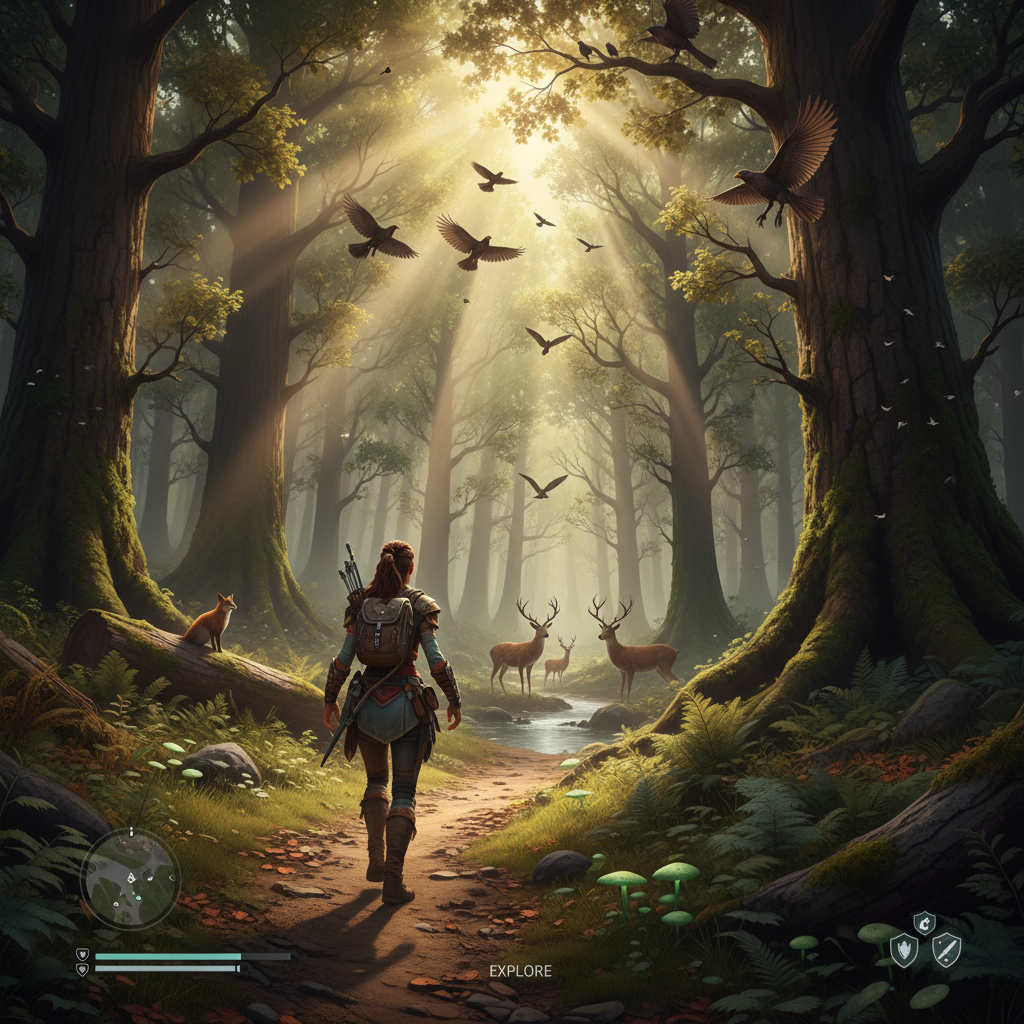
What “forest exploration & wildlife” can mean in games (and why it matters)
People search for top games with forest exploration and wildlife for different reasons, and the difference matters more than graphics. A “forest game” can be a relaxing walk with birdsong, or a tense loop where you track animals, manage scent, and avoid predators.
- Atmosphere-first exploration: you roam, listen, photograph, and discover points of interest, wildlife is mostly observational.
- Systemic ecosystems: animals have patterns, food chains, reactions, sometimes even population dynamics.
- Hunting/tracking simulation: wind direction, tracks, calls, ethical shot placement, and patience matter.
- Survival in the woods: weather, shelter, hunger, and wildlife threats become the core challenge.
According to U.S. Fish & Wildlife Service (USFWS), wildlife observation is one of the most popular ways people engage with nature, and that preference often carries into games too, many players want presence and behavior, not just combat targets.
Quick comparison table: best picks by vibe
If you want a fast shortlist, this table highlights what each game tends to do well. Think of it as “which woods am I buying?” rather than “which has the prettiest trees.”
| Game | Best for | Wildlife feel | Exploration style | Notes |
|---|---|---|---|---|
| Red Dead Redemption 2 | Immersive roaming | Rich variety, reactive | Open-world, narrative | Big time sink, slow pace by design |
| TheHunter: Call of the Wild | Tracking & hunting sim | Behavior-focused, location-based | Large reserves | Best if you enjoy patience and setups |
| Firewatch | Forest mood + story | Minimal, more ambience | Guided exploration | Shorter, narrative-driven |
| The Long Dark | Survival tension | Threat-based wildlife | Zones, route planning | Can feel punishing early on |
| Subnautica | Alien “wildlife” discovery | Creature ecology vibe | Open exploration | Not forest, but scratches the nature-ecosystem itch |
Top games with forest exploration and wildlife: the short list (with real-world fit)
This is not “every game that has trees.” These are titles where forest spaces and animals shape your play in a noticeable way.
Red Dead Redemption 2
If you want forests that feel lived-in, this is still a high bar. Wildlife shows up in transit, not just in “hunting areas,” and the world rewards slowing down, scanning the treeline, and following sounds.
- Why it works: variety of biomes, animal behaviors, and incidental encounters that make roaming feel organic.
- Best mood: long sessions, wandering with purpose, mix of story and free exploration.
- Heads-up: it’s easy to get distracted, which is great unless you want tight, objective-based play.
TheHunter: Call of the Wild
This is the “I want tracking, not vibes” pick. You read tracks, manage approach angles, and learn animal routines, which can feel surprisingly meditative if you like deliberate pacing.
- Why it works: wildlife is the point, not decoration.
- Best mood: headphones on, slow walks, planning shots, learning reserves.
- Heads-up: if you dislike hunting themes, skip it, the core loop centers on it.
Firewatch
Not a wildlife sandbox, but one of the strongest “forest presence” games. You get a grounded sense of place, and the forest itself is the main character, even when animals stay mostly offstage.
- Why it works: strong environmental storytelling and pacing, easy to finish.
- Best mood: evening play, story-first exploration, light mechanics.
The Long Dark
Wilderness survival where wildlife can be both resource and risk. It’s less about cataloging species, more about reading terrain, weather, and threat zones so you make it to tomorrow.
- Why it works: tension feels earned, animal encounters change your route planning.
- Best mood: you want stakes, not just scenery.
- Heads-up: difficulty spikes can frustrate, especially early on.
Subnautica (wildlife exploration, not forests)
This is the curveball, but it belongs on many “nature exploration” lists because discovery, fear, and fascination come from living creatures in a large ecosystem. If you mainly want to study behavior and feel small in a wild world, it often hits.
- Why it works: creatures communicate danger and wonder better than UI prompts.
- Heads-up: if you specifically want conifers, trails, and mammals, this won’t scratch that exact itch.
Self-check: which kind of forest explorer are you?
Before you buy, answer these quickly. Your “yes” column points to the right pick more reliably than genre labels.
- I want to observe animals more than fight them: lean toward RDR2 roaming, or non-combat exploration games.
- I enjoy tracking signs and patterns: TheHunter: Call of the Wild tends to land well.
- I want the woods to feel cozy, not stressful: Firewatch (and similar story-walkers) usually fits.
- I like survival loops and tough decisions: The Long Dark is the honest answer.
- I get motion sickness easily: be careful with first-person titles, check FOV and camera options before committing.
One more practical filter, how much time do you actually have? Some of the top games with forest exploration and wildlife shine in 60–90 minute “wandering sessions,” others demand longer runs to feel rewarding.
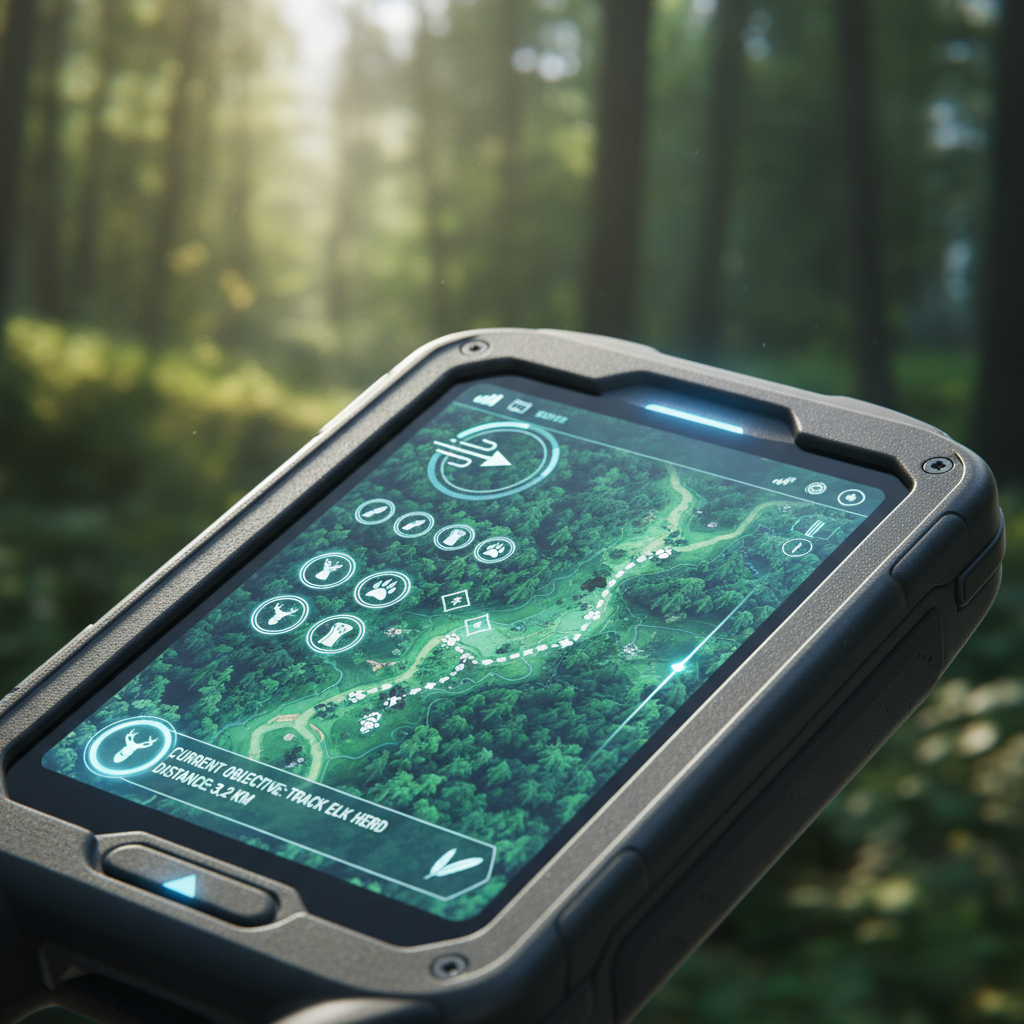
How to get more wildlife moments (practical play tips)
You can buy the right game and still “see nothing” if you play it like a checklist. These are small changes that usually increase animal encounters and the feeling of discovery.
- Slow your traversal: sprinting past habitat zones often reduces sightings, especially in games that simulate spooking animals.
- Use sound on purpose: headphones help, birds and rustling can guide you toward activity without staring at the HUD.
- Play at the right in-game time: dawn and dusk cycles often concentrate wildlife, though it varies by title.
- Learn 1–2 “home routes”: pick a river edge, meadow, or ridge line and revisit it, patterns become obvious.
- Turn down UI clutter: when safe, fewer markers can make you notice silhouettes and movement sooner.
If your goal is relaxation, keep difficulty moderate and avoid permadeath modes until you learn the cadence. The woods feel different when you’re not constantly bracing for punishment.
Common mistakes when choosing forest-and-wildlife games
A few traps show up again and again, especially when you shop from screenshots.
- Confusing “pretty foliage” with exploration depth: some games look amazing but offer limited off-path discovery.
- Expecting a wildlife documentary: even strong ecosystem games are still games, behaviors can be simplified.
- Ignoring camera comfort: first-person bobbing and narrow FOV can ruin an otherwise perfect pick for some players.
- Buying for one feature: if you only care about photo mode, check whether it’s flexible or just a basic screenshot tool.
- Forgetting your tolerance for slow pacing: hunting/tracking sims can feel “empty” if you need constant action.
When to look for more guidance (settings, accessibility, and safety)
If you’re sensitive to motion sickness, headaches, or eye strain, it’s worth checking platform refund policies and accessibility options before you settle on a purchase. According to American Optometric Association (AOA), extended screen use can contribute to digital eye strain for many people, so breaks and comfort settings can matter even in cozy exploration games.
For younger players, hunting-focused titles may raise values or content questions that differ by household. That’s less about “right or wrong,” more about making an intentional choice for your situation, and if you’re unsure, reading the ESRB rating details tends to clarify what’s actually depicted.
Conclusion: pick the woods you actually want to live in
The best move is choosing a game whose core loop matches your idea of forest time. If you want expansive roaming with frequent animal sightings, start with Red Dead Redemption 2. If you want patient tracking and behavior reading, TheHunter: Call of the Wild earns its place. If you want a focused story walk, Firewatch stays hard to beat, and if you want survival pressure, The Long Dark delivers that sharp edge.
Key takeaway: decide whether you want observation, simulation, or survival, then buy accordingly. Your second step is simple, check camera comfort settings and pacing expectations before you commit, it saves money and disappointment.
FAQ
What are the top games with forest exploration and wildlife for relaxing gameplay?
If “relaxing” means low pressure and strong atmosphere, story-led exploration like Firewatch often fits better than survival sims. Open-world games can also work if you treat them as slow roaming instead of mission grinding.
Which game has the most realistic wildlife behavior?
Many players point to TheHunter: Call of the Wild because behavior and tracking sit at the center of the design. Realism still has game logic constraints, but the loop rewards reading signs and moving carefully.
Is Red Dead Redemption 2 good if I only want nature exploration?
It can be, especially if you enjoy wandering, watching animals, and discovering remote areas. Just know it’s still a story-driven action game at heart, so you may spend time around combat and scripted missions if you follow the main path.
Are there forest exploration games with wildlife but no combat?
Some exploration titles keep combat minimal or absent, but wildlife may be more ambient than interactive. If “no combat” is a hard requirement, read the store page carefully and look for tags like “walking sim” or “exploration.”
What should I look for in reviews if wildlife matters to me?
Look for mentions of animal variety, how often encounters happen, and whether animals react to sound, scent, time of day, or player distance. Reviews that only praise graphics often won’t tell you if the ecosystem feels alive.
How do I get more animal encounters in hunting or tracking games?
Slow down, learn a couple habitat routes, and pay attention to wind and noise systems when the game includes them. If you keep sprinting from marker to marker, you’ll miss the point and often spook targets.
What if I get motion sick in first-person exploration games?
Try increasing FOV, disabling head bob, and enabling camera smoothing if available, then take short breaks. If symptoms persist, consider third-person options or consult a healthcare professional for personalized advice.
If you’re trying to choose between a few titles and you want a more “hands-on” recommendation, it helps to list your preferred pace, camera comfort needs, and whether you want observation, tracking, or survival, then match that to a game’s core loop before you buy.