
best vr co op games 2026 is usually what you search after one too many “cool game, wrong group” nights, you want something that actually works with friends, runs smoothly, and doesn’t turn the session into troubleshooting.
Co-op in VR hits differently when it’s good, you’re not just playing alongside someone, you’re sharing space, reading body language, laughing at the same ridiculous physics. When it’s bad, it’s jitter, mismatched comfort settings, and someone quietly taking off the headset.
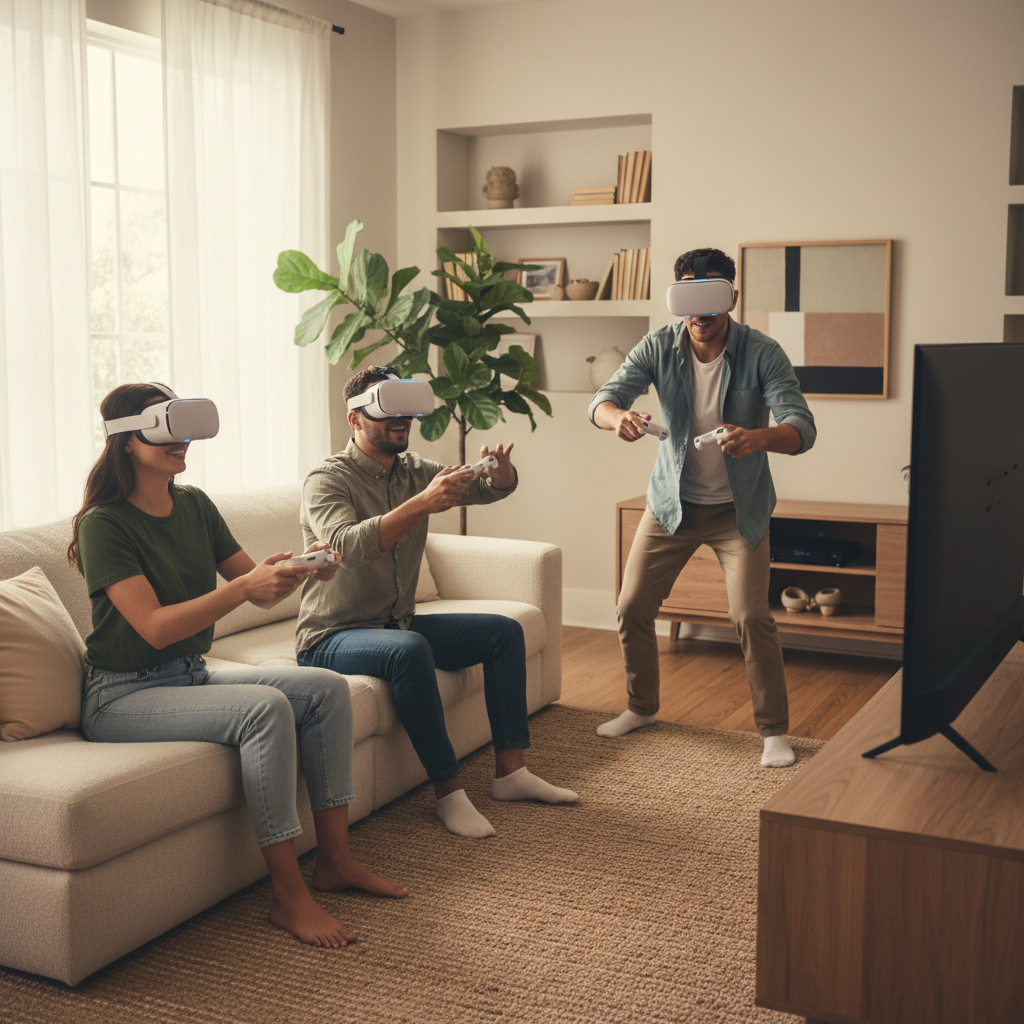
This guide keeps it practical, what tends to make a VR co-op game “stick,” a curated shortlist by mood and group size, and a quick way to choose based on your play space, motion comfort, and headset mix.
What “best” really means for VR co-op in 2026
People rate co-op games on vibes, but the sessions that last have boring fundamentals behind them. If you want the best vr co op games 2026 for your group, judge on these traits before you get hypnotized by trailers.
- Low-friction onboarding: quick invites, clear roles, no 20-minute tutorial that only one person finishes.
- Comfort controls that matter: teleport options, vignette, snap turn, seated mode, adjustable locomotion speed.
- Stable networking: tolerates Wi‑Fi variation, doesn’t desync physics every two minutes.
- Co-op design, not just multiplayer: puzzles, abilities, or objectives that reward teamwork instead of parallel solo play.
- Session shape: does it work in 20–40 minutes, or only in 2-hour marathons?
According to Meta (Quest safety and comfort guidance), choosing comfort options and using a clear play boundary can reduce motion discomfort and accidental collisions, which matters more in co-op because people get distracted by each other.
Quick picks: best VR co-op games 2026 (by vibe)
Here’s a curated starting list. Availability, crossplay, and ongoing support can change, so treat this as “shortlist material,” then verify store pages for your exact platform mix.
| Game | Best for | Typical group size | Comfort note |
|---|---|---|---|
| Walkabout Mini Golf | Relaxed co-op hangouts | 2–8 | Generally comfortable, lots of standing still |
| Demeo | Strategy + teamwork | 2–4 | Comfort-friendly, mostly table-scale |
| Phasmophobia (VR mode) | Spooky co-op nights | 2–4 | Can be intense, consider comfort movement |
| Arizona Sunshine 2 (co-op) | Story co-op shooter | 2 | Smooth locomotion can bother some players |
| After the Fall | Arcade co-op runs | 2–4 | Fast motion, tune comfort settings |
| Ghostbusters: Rise of the Ghost Lord | Objective-based team play | 2–4 | Moderate movement, lots of room awareness |
| Keep Talking and Nobody Explodes | One VR + one non‑VR co-op | 2+ | Very comfortable, mostly seated |
| VRChat (co-op worlds) | Social + mini-games | 2–many | Varies wildly by world and locomotion |

Key takeaway: if your friend group includes at least one “VR sensitive” person, start with Demeo, Walkabout, or Keep Talking, then graduate into faster shooters later.
How to choose based on your group (not the hype)
Most co-op nights fail for predictable reasons: mixed headsets, mismatched tolerance for motion, and different definitions of “fun.” Picking the best vr co op games 2026 for your crew means matching constraints first.
Pick your session type
- Low-key hangout: Walkabout Mini Golf, VRChat mini-game worlds.
- Brainy teamwork: Demeo, Keep Talking and Nobody Explodes.
- Adrenaline co-op: After the Fall, Arizona Sunshine 2.
- Scare night: Phasmophobia (VR mode).
Check hardware and space reality
- Mostly Quest headsets: prioritize games with solid standalone performance and easy invites.
- Mix of PCVR and standalone: favor crossplay titles, or pick “one VR + one flatscreen” games to avoid platform splits.
- Small play spaces: table-scale or seated-friendly titles reduce boundary stress and accidental controller smacks.
A fast self-checklist before you buy
Run this quick list in your group chat. It feels basic, but it prevents the classic “refund request” spiral.
- Comfort: does anyone get motion sick from smooth locomotion or artificial turning?
- Talk style: do you want constant voice chat, or something quieter?
- Time: do you usually have 30 minutes or 2 hours?
- Skill gap: do you have one “VR veteran” and two brand-new players?
- Platform: Quest-only, PCVR-only, or mixed?
- Goals: progression and loot, or drop-in fun?
If you answer “mixed comfort + short sessions,” you’ll usually get more mileage from games built around repeatable short rounds rather than long campaigns.
Practical setup tips that make co-op nights smoother
This is the unglamorous part, but it’s where most groups win or lose the evening.
Before you launch
- Standardize party chat: agree on in-game voice vs platform voice, switching mid-session gets messy.
- Match comfort settings: take 2 minutes so everyone uses teleport or snap turning if needed.
- Battery and updates: charge controllers, run updates early, and avoid “let’s update now” at start time.
During play
- Use role clarity: in co-op shooters, decide who leads, who covers, who carries utility items.
- Call out boundary risks: co-op makes people lean and step without noticing, keep a little buffer.
- Take short breaks: if anyone feels nausea or eye strain, pause. If symptoms persist, it’s sensible to stop and, when needed, consult a clinician.
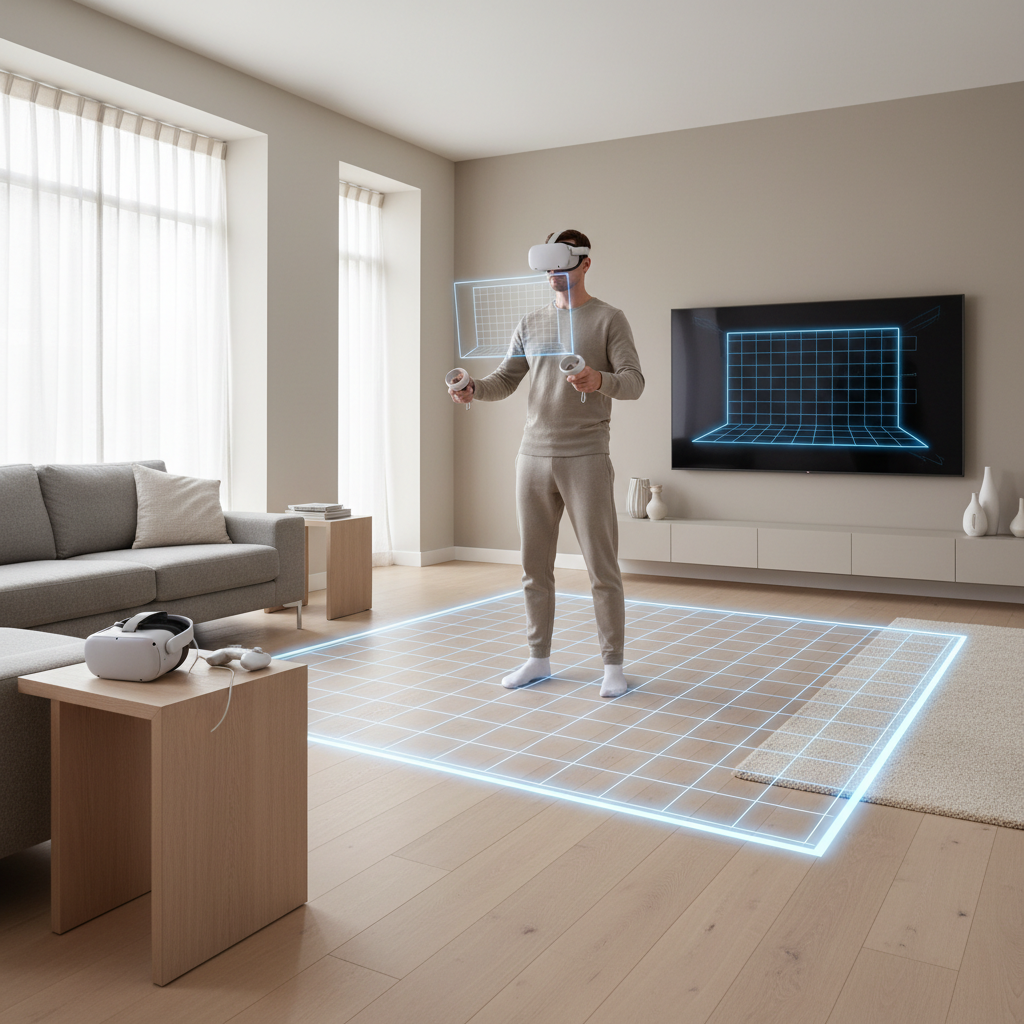
According to PlayStation (PS VR2 health and safety guidance), taking regular breaks and maintaining a clear play area helps reduce risks such as collisions and discomfort. Even if you’re not on PS VR2, the principle translates well.
Common mistakes when shopping for VR co-op games
A few patterns show up every year, including 2026: people buy for the loudest friend, optimize for graphics over comfort, or assume “multiplayer” means “co-op.”
- Ignoring onboarding: if the tutorial is long and solo, one player will lag behind and the group mood drops.
- Confusing PvP with co-op: competitive modes can be fun, but they don’t always deliver that “we did it together” feeling.
- Overlooking crossplay details: some games crossplay only between specific stores or versions.
- Buying two intense games back-to-back: a high-motion shooter plus a horror title can be too much for new players.
If you want a safer bet, pick one “comfort-first” title as your default hangout, then rotate in a more intense game occasionally.
My recommendation flow (simple, works for most groups)
If you’re stuck choosing, this sequence is a reliable way to land on a game your group will actually replay, not just “try once.”
- Start night 1: Walkabout Mini Golf or Demeo, learn each other’s VR habits.
- Night 2: an objective co-op like Ghostbusters for teamwork and role calls.
- Then add spice: Phasmophobia for horror, or After the Fall for faster combat, only if everyone’s comfortable.
- Keep a fallback: Keep Talking and Nobody Explodes when someone has low battery, low energy, or a smaller play area.
This approach also spreads spend risk, you’re not gambling on one “big” purchase to carry the whole season of co-op nights.
Conclusion: what to play next, and how to avoid a wasted weekend
The best vr co op games 2026 for most US friend groups are the ones that respect comfort, make invites painless, and give you a reason to talk to each other beyond “I’m reloading.” If you pick one comfort-first game plus one higher-intensity option, you cover almost every mood.
Action steps: choose your session vibe, run the checklist in your group chat, then confirm crossplay and comfort options on the store page before buying. That tiny bit of prep usually saves the whole night.