
best standing vr games 2026 is a search that usually means one thing: you want room-scale fun without wasting money on something that looks cool in trailers but feels awkward on your feet.
Standing VR can be the most “wow” version of VR, but it also exposes the stuff you can ignore in seated games, like tracking quirks, comfort settings, and whether a game respects your play space.
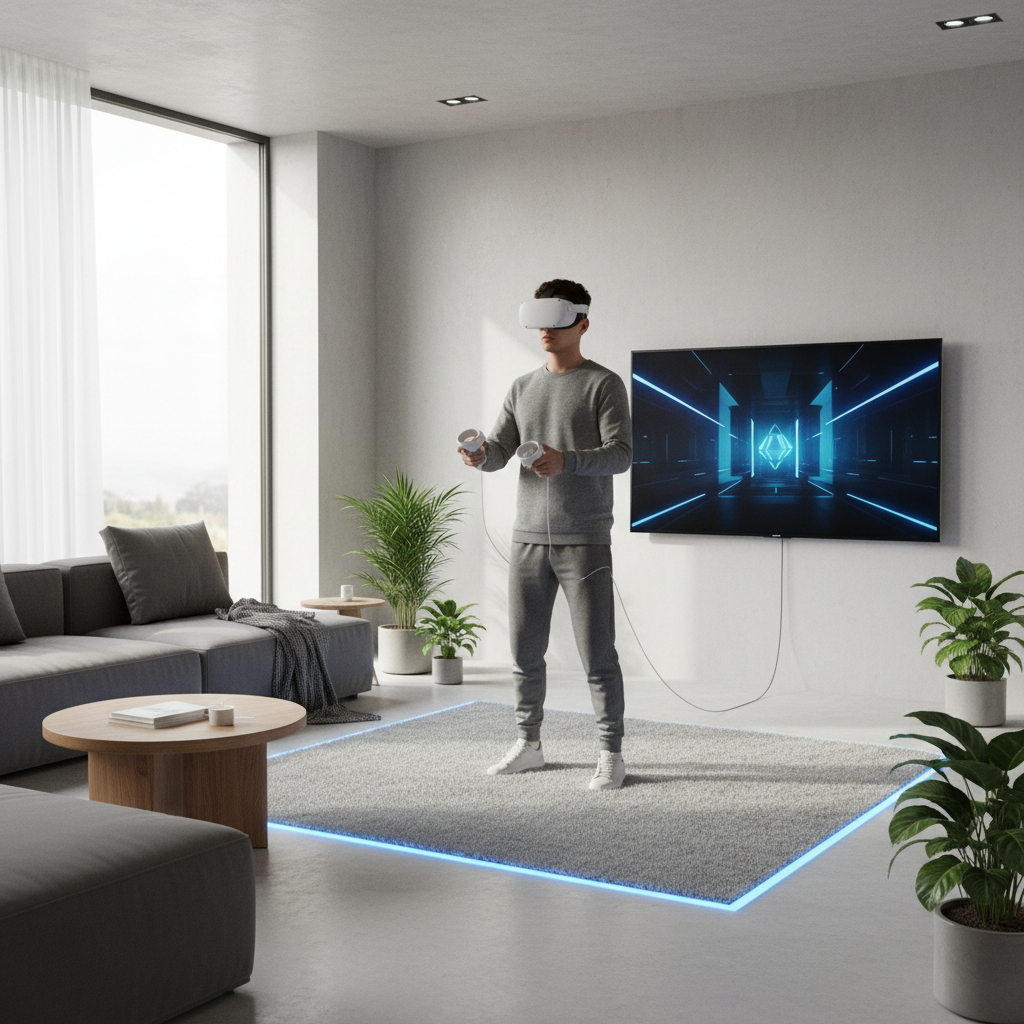
This guide focuses on games that feel good while standing, have reliable “pick up and play” loops, and tend to work well for common US setups, from small apartments to bigger basements. I’ll also call out what to check before you buy, because the same title can feel great for one person and rough for another.
What makes a great standing VR game in 2026
A strong standing title usually nails a few basics, even if the genre differs. If a game misses these, you feel it fast, usually in your shoulders, knees, or stomach.
- Natural interaction: grabbing, aiming, climbing, blocking, or drumming should match your real movement.
- Comfort options that actually matter: snap turning, vignette, height adjustment, and seated/standing toggles.
- Clear “playspace logic”: the game respects your boundaries, warns you, and avoids constant backtracking.
- Stable performance: frame drops are where motion discomfort often starts.
According to the U.S. Consumer Product Safety Commission (CPSC), consumer injuries can happen with active products in the home, and VR adds the extra risk of limited visibility. That’s why “fun” and “safe in your room” should sit next to each other in your decision.
Best standing VR games 2026: quick comparison table
If you want a fast shortlist, this table is the practical view: what you do while standing, what space it likes, and what type of player usually sticks with it.

| Game (Type) | Standing style | Space needed | Comfort notes | Best for |
|---|---|---|---|---|
| Beat Saber (Rhythm) | Planted stance + arm movement | Small–Medium | Generally comfortable, watch shoulders | Workout vibes, quick sessions |
| SUPERHOT VR (Action/Puzzle) | Dodge, lean, step | Medium | Low artificial movement | Stylish action, strategy |
| Pistol Whip (Rhythm Shooter) | Squat, lean, aim | Small–Medium | Can be intense on knees | Cardio + shooting |
| GORN (Arena Brawler) | Big swings, footwork | Medium–Large | High “hit-a-wall” risk without space | Silly physics combat |
| Until You Fall (Roguelite Melee) | Guard, strike, sidestep | Small–Medium | Can be sweaty; good comfort tools | Skill progression |
| The Thrill of the Fight (Boxing) | Full-body boxing | Medium–Large | Very intense; pace yourself | Fitness-first players |
| Job Simulator (Party/Comedy) | Reach, grab, toss | Small | Easy comfort, beginner-friendly | New VR users, families |
Editor’s picks by “standing feel” (not just hype)
There are plenty of good VR releases, but the games below keep coming up because they respect how people actually play at home. If you’re building a 2026 library, these are safe bets.
Rhythm and movement: Beat Saber, Pistol Whip
These are still near the top because they make standing feel intentional, not like you’re standing only because the game forgot to add seated mode.
- Beat Saber: clean tracking, easy to understand, scalable difficulty, great for short bursts.
- Pistol Whip: more leg work, more sweat, and a bigger “I’m in an action movie” payoff.
If your wrists or shoulders get cranky, lower the session length and treat it like intervals. A lot of people overdo day one, then stop playing for a week.
Room-scale action: SUPERHOT VR, GORN
SUPERHOT VR is the rare action game that feels comfortable for many players because the world moves with you, not the other way around. GORN is the opposite energy, silly and physical, but it asks for more space and self-control.
- SUPERHOT VR: great “standing puzzle” pacing, satisfying dodges, minimal motion sickness triggers.
- GORN: hilarious physics, but you must respect your boundary or you’ll clip a wall.
Melee skill and progression: Until You Fall
Until You Fall works well while standing because it teaches you a rhythm: block, angle, strike, step. It’s also forgiving if your room is smaller, since the game doesn’t require constant sprinting around your space.
For people who want “one more run” energy without the huge comfort risks of free locomotion, this sits in a sweet spot.
Fitness-forward: The Thrill of the Fight
This is where I add a real-world note: boxing VR can feel amazing and also deceptively taxing. If you have any condition that makes high-intensity exercise risky, you may want to check with a healthcare professional before treating VR boxing like a daily workout.
According to the Centers for Disease Control and Prevention (CDC), physical activity guidelines vary by person and health status, and intensity matters. Use that mindset here: scale up slowly.
Quick self-check: which standing VR games will fit your room and body?
Before buying another title because TikTok made it look fun, run this quick checklist. It prevents most “I played twice and quit” situations.
- Your space: Can you extend both arms and turn without hitting anything? If not, prioritize planted-stance games.
- Your tolerance: Do you get motion discomfort from smooth movement? If yes, favor room-scale and teleport-heavy games.
- Your joints: Knees and lower back okay with repeated squats and lunges? If not, avoid squat-heavy shooters at high difficulty.
- Your time: Do you play in 15-minute windows? Rhythm and roguelites often fit better than long campaigns.
- Your household: Pets, kids, roommates walking through? Choose games with strong boundary reminders.
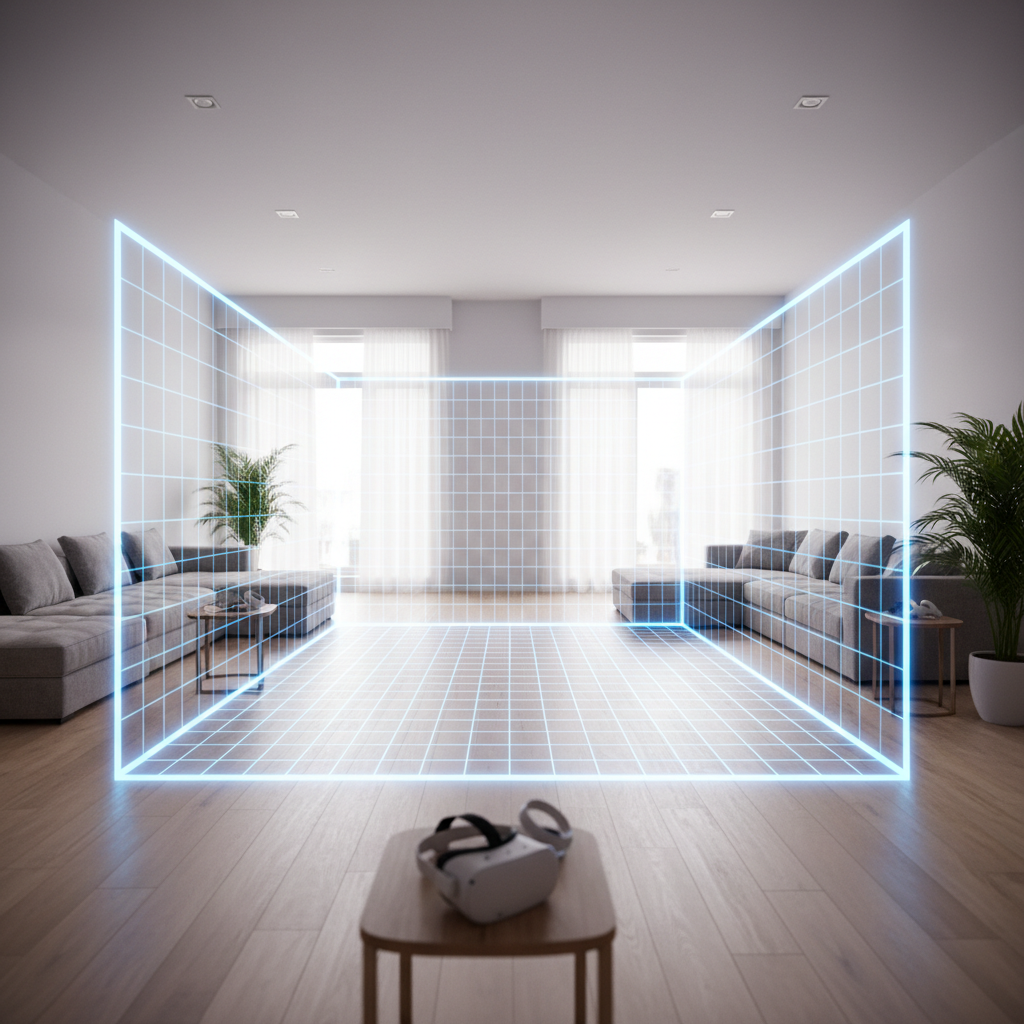
If you’re unsure, start with a planted stance rhythm game, then expand into room-scale dodging, then only later into intense melee or fitness titles.
Practical setup tips to enjoy standing VR longer (and safer)
Most people don’t need a complicated rig, they need small habits that reduce accidents and fatigue.
- Clear the “swing zone”: lamps, low tables, ceiling fans, and framed art at controller height cause the most regret.
- Use a floor cue: a small mat or tape line helps you feel center without taking the headset off.
- Adjust height calibration: many games feel wrong if your floor level is off, especially boxing and melee.
- Start with comfort settings on: you can always dial them down later, but nausea has a long memory.
- Hydrate and take breaks: if you feel dizzy, stop, sit, and cool down.
According to the American Academy of Ophthalmology (AAO), taking breaks from near-work and screens can help reduce eye strain. VR is not exactly a laptop, but the principle of breaks and comfort still applies.
Common mistakes when picking the best standing VR games 2026
A few patterns show up every year, and they’re the reason “best lists” can mislead.
- Buying for graphics, not movement: standing VR lives or dies on interaction feel, not screenshots.
- Ignoring locomotion style: smooth locomotion can be fine, but many people do better with teleport or room-scale first.
- Overestimating play space: if you’re always one step from a wall, you won’t relax, and your form gets sloppy.
- Going max intensity immediately: difficulty spikes can turn “fun workout” into soreness that keeps you away.
- Skipping comfort calibration: IPD and strap fit matter more than people want to admit.
One more thing: if you share a headset, wipe-down routines and face gasket hygiene are not optional, especially for fitness-heavy games.
How to choose your next purchase (a simple decision path)
If you’re building a small but strong library, this is a reasonable way to spend without duplicates.
- Want instant fun in 5 minutes? Pick a rhythm game like Beat Saber.
- Want action without heavy motion comfort risk? SUPERHOT VR is a solid starting point.
- Want progression and replayability? Until You Fall fits many standing setups.
- Want fitness as the main goal? The Thrill of the Fight, but treat it like training, not a casual session.
Key takeaways: prioritize comfort options, match the game to your room size, and build intensity over time. That’s how “best standing VR games 2026” turns into a library you actually use.
Conclusion: build a standing VR lineup you’ll keep playing
The best picks are the ones that respect your space, your comfort tolerance, and how you realistically play after a long day. If you choose one “easy win” title first, calibrate your setup, then add one higher-intensity game later, you’ll usually have more fun and fewer abandoned purchases.
If you’re deciding today, make a short list from the table, check your play area, and buy for movement feel, not hype. You can always expand once you know what your body and room like.
Action step: Pick one rhythm or room-scale title, play three short sessions across a week, then decide whether you want more cardio, more combat, or more progression next.